
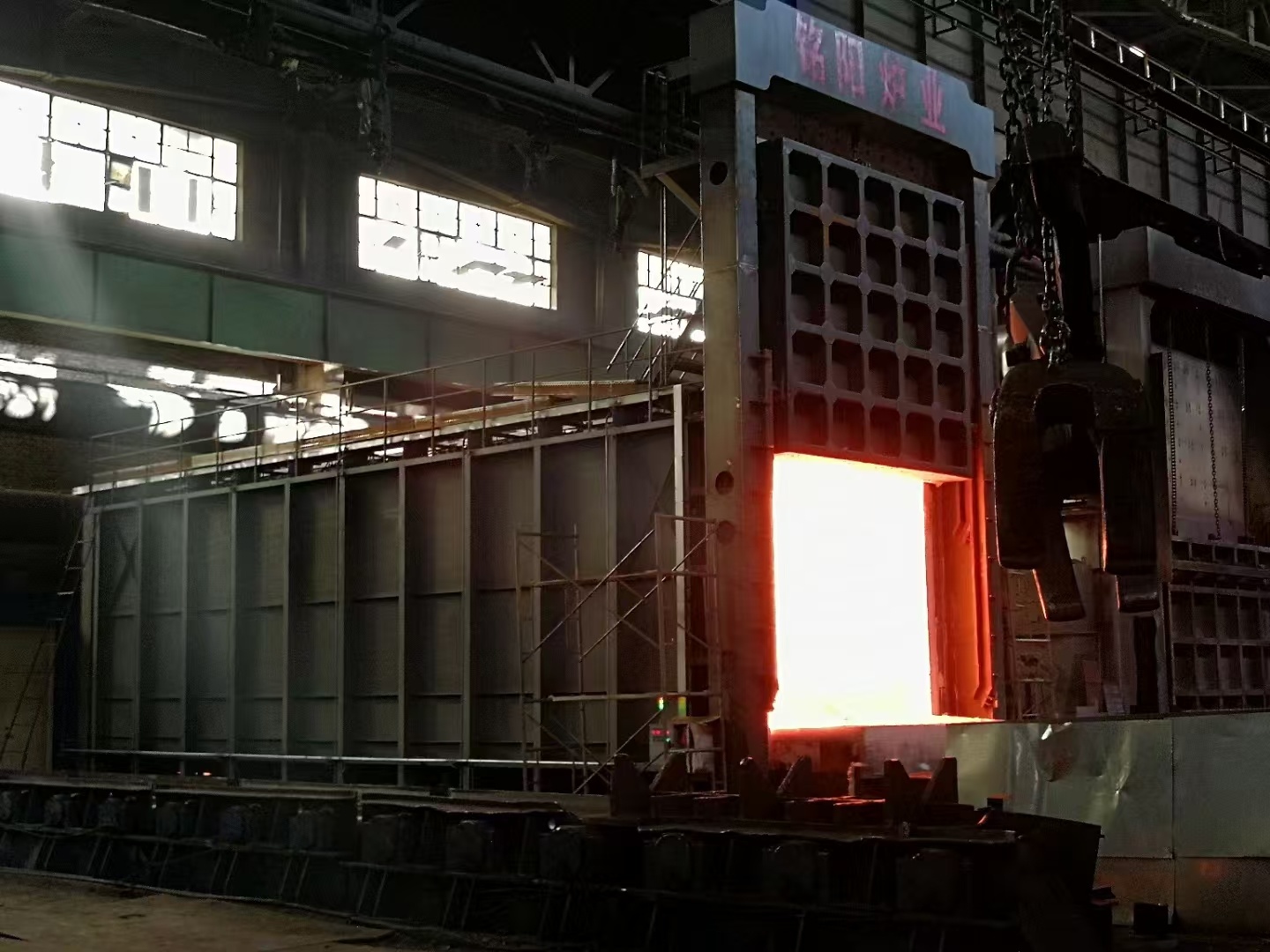



The Essential Guide to Large Component Furnaces in Industrial Applications
Large Component Furnaces play a significant role in the industrial sector, particularly in the casting and heat treatment of large metal parts. These furnaces are specifically designed to accommodate substantial components that require uniform heating and precise temperature control during processing. Understanding the functionality and applications of these furnaces is crucial for professionals i
Large Component Furnaces play a significant role in the industrial sector, particularly in the casting and heat treatment of large metal parts. These furnaces are specifically designed to accommodate substantial components that require uniform heating and precise temperature control during processing. Understanding the functionality and applications of these furnaces is crucial for professionals in industries such as aerospace, automotive, and heavy machinery manufacturing.
The primary function of a Large Component Furnace is to provide a controlled environment for processes like annealing, hardening, and tempering of metal components. These processes are essential for enhancing the mechanical properties of metals, improving their durability and performance in demanding applications. A well-designed furnace ensures that heat is evenly distributed throughout the entire component, minimizing the risk of warping or structural weaknesses that could compromise the integrity of the finished product.
In terms of construction, Large Component Furnaces often incorporate advanced insulation materials and efficient heating systems to maintain high energy efficiency. Electric, gas, or hybrid heating technologies might be employed, depending on the specific requirements of the application. Some furnaces also come equipped with state-of-the-art temperature control systems and automated monitoring tools, allowing operators to maintain optimal conditions throughout the heat treatment process.
The versatility of Large Component Furnaces is another key advantage. They can accommodate a wide range of materials including steel, aluminum, and titanium, making them suitable for various sectors. For instance, in the aerospace industry, these furnaces are essential for processing large structural components that must meet strict safety and performance standards. Similarly, in the automotive sector, they are employed to treat components that undergo extreme stress and require exceptional toughness.
Moreover, the use of Large Component Furnaces can lead to significant cost savings over time. By optimizing the heat treatment process and ensuring uniform heating, manufacturers can reduce material wastage and improve production efficiency. Additionally, the enhanced mechanical properties of treated components can lead to longer service life and reduced maintenance costs, contributing to a more sustainable operation.
In conclusion, Large Component Furnaces are critical assets in the industrial landscape, offering advanced capabilities for the heat treatment of large metal components. Their ability to provide precise temperature control and uniform heating not only enhances the quality of the end products but also drives operational efficiency. As industries continue to evolve, the importance of these furnaces in maintaining competitive advantages cannot be overstated. Investing in the right Large Component Furnace can lead to substantial improvements in product performance and overall business success.
The primary function of a Large Component Furnace is to provide a controlled environment for processes like annealing, hardening, and tempering of metal components. These processes are essential for enhancing the mechanical properties of metals, improving their durability and performance in demanding applications. A well-designed furnace ensures that heat is evenly distributed throughout the entire component, minimizing the risk of warping or structural weaknesses that could compromise the integrity of the finished product.
In terms of construction, Large Component Furnaces often incorporate advanced insulation materials and efficient heating systems to maintain high energy efficiency. Electric, gas, or hybrid heating technologies might be employed, depending on the specific requirements of the application. Some furnaces also come equipped with state-of-the-art temperature control systems and automated monitoring tools, allowing operators to maintain optimal conditions throughout the heat treatment process.
The versatility of Large Component Furnaces is another key advantage. They can accommodate a wide range of materials including steel, aluminum, and titanium, making them suitable for various sectors. For instance, in the aerospace industry, these furnaces are essential for processing large structural components that must meet strict safety and performance standards. Similarly, in the automotive sector, they are employed to treat components that undergo extreme stress and require exceptional toughness.
Moreover, the use of Large Component Furnaces can lead to significant cost savings over time. By optimizing the heat treatment process and ensuring uniform heating, manufacturers can reduce material wastage and improve production efficiency. Additionally, the enhanced mechanical properties of treated components can lead to longer service life and reduced maintenance costs, contributing to a more sustainable operation.
In conclusion, Large Component Furnaces are critical assets in the industrial landscape, offering advanced capabilities for the heat treatment of large metal components. Their ability to provide precise temperature control and uniform heating not only enhances the quality of the end products but also drives operational efficiency. As industries continue to evolve, the importance of these furnaces in maintaining competitive advantages cannot be overstated. Investing in the right Large Component Furnace can lead to substantial improvements in product performance and overall business success.

If you are interested in our products, please leave your email and we will contact you as soon as possible.