
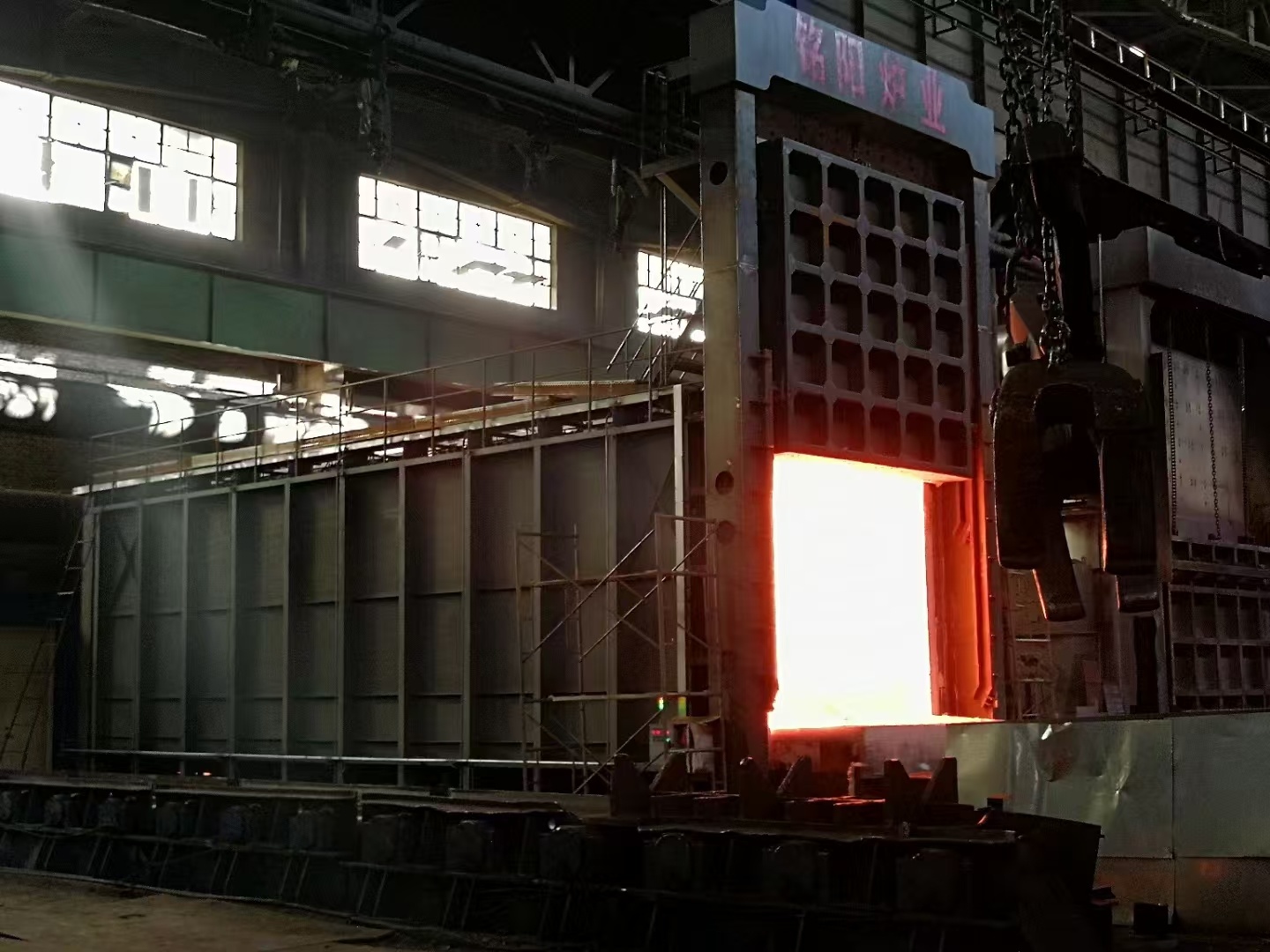


Efficiency Boost: How Forging and Casting Industrial Furnaces Improve Output
Efficiency Boost: How Forging and Casting Industrial Furnaces Improve Output
Table of Contents
Introduction: The Role of Industrial Furnaces in Manufacturing
Understanding Forging and Casting Processes
Types of Industrial Furnaces Used in Forging and Casting
Technological Advancements in Industrial Furnaces
Benefits of Modern Forging and Casting Industrial Furnaces
Energy
Efficiency Boost: How Forging and Casting Industrial Furnaces Improve Output
Table of Contents
- Introduction: The Role of Industrial Furnaces in Manufacturing
- Understanding Forging and Casting Processes
- Types of Industrial Furnaces Used in Forging and Casting
- Technological Advancements in Industrial Furnaces
- Benefits of Modern Forging and Casting Industrial Furnaces
- Energy Efficiency in Industrial Furnaces
- Case Studies: Successful Implementations
- Future Trends in Forging and Casting Technologies
- Conclusion: Maximizing Output with Efficient Technologies
- FAQs About Forging and Casting Industrial Furnaces
Introduction: The Role of Industrial Furnaces in Manufacturing
In the realm of manufacturing, **industrial furnaces** serve as a cornerstone for various processes, particularly in **forging** and **casting** operations. These furnaces not only facilitate the transformation of raw materials into usable products but also play a crucial role in enhancing overall **efficiency**. As industries strive to meet growing demands while minimizing costs, understanding how to optimize the functionality of these furnaces becomes imperative.
The efficiency of industrial furnaces can significantly impact production output. With advancements in technology and materials science, modern furnaces are designed to operate at higher efficiencies, leading to reduced energy consumption and improved product quality. This article explores the various aspects of **forging and casting industrial furnaces** that contribute to a boost in efficiency, ensuring that manufacturers can stay competitive in an ever-evolving market.
Understanding Forging and Casting Processes
Forging and casting are two fundamental methods of metal shaping used in the manufacturing process.
What is Forging?
**Forging** involves shaping metal using compressive forces. The process can be performed hot, warm, or cold, depending on the temperature of the metal and the desired properties of the final product. Hot forging is often preferred for its ability to enhance ductility and reduce the likelihood of cracking during shaping.
What is Casting?
On the other hand, **casting** involves pouring molten metal into a mold where it solidifies into the desired shape. This method allows for intricate designs and is particularly useful for producing complex geometries that would be challenging to achieve through forging.
Both processes have their unique advantages and applications in various industries, including automotive, aerospace, and heavy machinery manufacturing.
Types of Industrial Furnaces Used in Forging and Casting
Understanding the types of industrial furnaces used in forging and casting is essential for optimizing production processes.
Induction Furnaces
**Induction furnaces** are commonly used for melting metals due to their high efficiency and quick heating capabilities. They utilize electromagnetic induction to heat the metal, which results in minimal energy loss and uniform temperature distribution.
Reverberatory Furnaces
**Reverberatory furnaces** are ideal for casting operations where large quantities of metal need to be melted. Their design allows for efficient heat transfer and minimal contamination of the metal being melted.
Electric Arc Furnaces
**Electric arc furnaces** are primarily used in forging applications. They operate by creating an electric arc between electrodes and the metal charge, leading to rapid heating and melting.
Rotary Furnaces
**Rotary furnaces** are designed for continuous melting and processing of metal scraps and are particularly advantageous for recycling operations.
Each type of furnace comes with its advantages and is suited for specific applications, ultimately contributing to improved output in forging and casting processes.
Technological Advancements in Industrial Furnaces
The manufacturing landscape is constantly evolving, and technological advancements in industrial furnaces have significantly improved their efficiency.
Integration of Smart Technologies
With the rise of the **Internet of Things (IoT)**, many industrial furnaces now feature smart technologies that allow for real-time monitoring and control. These systems enable operators to adjust parameters for optimal performance, ensuring consistent quality and reducing waste.
Automation and Robotics
Automation has revolutionized the way industrial furnaces operate. Robotic systems are increasingly being integrated to handle hazardous tasks, improve safety, and reduce labor costs. These advancements lead to more precise control over the forging and casting processes, ultimately boosting efficiency.
Energy Recovery Systems
Modern furnaces often incorporate energy recovery systems that capture waste heat and repurpose it for other processes. This not only reduces overall energy consumption but also minimizes the environmental impact of manufacturing operations.
Benefits of Modern Forging and Casting Industrial Furnaces
Investing in modern industrial furnaces comes with a multitude of benefits that directly impact production efficiency.
Enhanced Output Quality
Modern furnaces are designed to maintain consistent temperatures and reduce the risk of defects in the final product. This leads to higher quality output, which is essential for maintaining customer satisfaction and meeting industry standards.
Reduced Energy Consumption
Energy efficiency is a top priority for manufacturers, and modern furnaces are engineered to consume significantly less energy compared to traditional models. This reduction in energy usage not only lowers operational costs but also supports sustainability efforts.
Increased Production Speed
Advanced heating technologies and automation allow for faster processing times in both forging and casting operations. This increase in speed enables manufacturers to meet high demand more effectively.
Lower Maintenance Costs
Many modern furnaces require less maintenance due to their robust designs and improved materials. This translates to lower downtime and maintenance costs, further enhancing overall productivity.
Energy Efficiency in Industrial Furnaces
Energy efficiency is a critical consideration in the operation of industrial furnaces.
Importance of Energy Efficiency
Reducing energy consumption not only lowers costs but also contributes to a more sustainable manufacturing process. As energy prices continue to rise, the importance of investing in energy-efficient furnaces becomes even more apparent.
Implementing Best Practices
Manufacturers can adopt several best practices to improve energy efficiency in their industrial furnaces. These include regular maintenance, upgrading insulation, and utilizing advanced monitoring systems to identify inefficiencies in real-time.
Case Studies: Successful Implementations
Examining real-world applications of modern industrial furnaces can offer valuable insights into their effectiveness.
Case Study 1: Automotive Industry
An automotive manufacturer implemented induction furnaces to improve their metal processing. As a result, they achieved a 25% increase in production speed while reducing energy consumption by 30%.
Case Study 2: Aerospace Industry
Aerospace manufacturers adopted electric arc furnaces for their forging operations. This shift led to enhanced material properties and a reduction in scrap rates, ultimately improving their overall output quality.
Future Trends in Forging and Casting Technologies
As we look to the future, several trends are poised to shape the evolution of forging and casting industrial furnaces.
Increased Automation
Automation will continue to play a crucial role in industrial furnace operations. As technology advances, we can expect further integration of robotics and AI to streamline processes and enhance precision.
Sustainable Practices
The shift toward sustainability will drive innovations in furnace design and operation. Manufacturers will increasingly seek to minimize their environmental footprint, leading to the development of more eco-friendly furnace technologies.
Customization and Flexibility
Future industrial furnaces will likely offer greater customization options to meet the specific needs of various industries. This flexibility will enable manufacturers to adapt to changing market demands more swiftly.
Conclusion: Maximizing Output with Efficient Technologies
In conclusion, the efficiency of forging and casting industrial furnaces is paramount in today's competitive manufacturing landscape. By embracing modern technologies, understanding different furnace types, and adopting best practices, manufacturers can significantly enhance their output while reducing costs. The ongoing advancements in this field promise even greater efficiencies in the future, making it essential for manufacturers to stay informed and adaptable.
FAQs About Forging and Casting Industrial Furnaces
1. What is the primary difference between forging and casting?
Forging involves shaping metal using compressive forces, while casting involves pouring molten metal into a mold to solidify into a desired shape.
2. How do modern industrial furnaces improve energy efficiency?
Modern furnaces utilize advanced heating technologies, smart monitoring systems, and energy recovery methods to minimize energy consumption.
3. What are the benefits of using induction furnaces?
Induction furnaces offer high energy efficiency, quick heating capabilities, and reduced metal contamination during the melting process.
4. How can manufacturers ensure the quality of output in forging and casting?
By investing in modern furnaces that maintain consistent temperatures and employing best practices in production, manufacturers can significantly enhance output quality.
5. What future trends should manufacturers be aware of in industrial furnace technology?
Key future trends include increased automation, a focus on sustainable practices, and greater customization options for industrial furnaces.
Incorporating the insights and recommendations presented in this article can empower manufacturers to optimize their forging and casting operations. By prioritizing efficiency and quality, businesses can thrive in the competitive landscape of industrial production.

If you are interested in our products, please leave your email and we will contact you as soon as possible.