
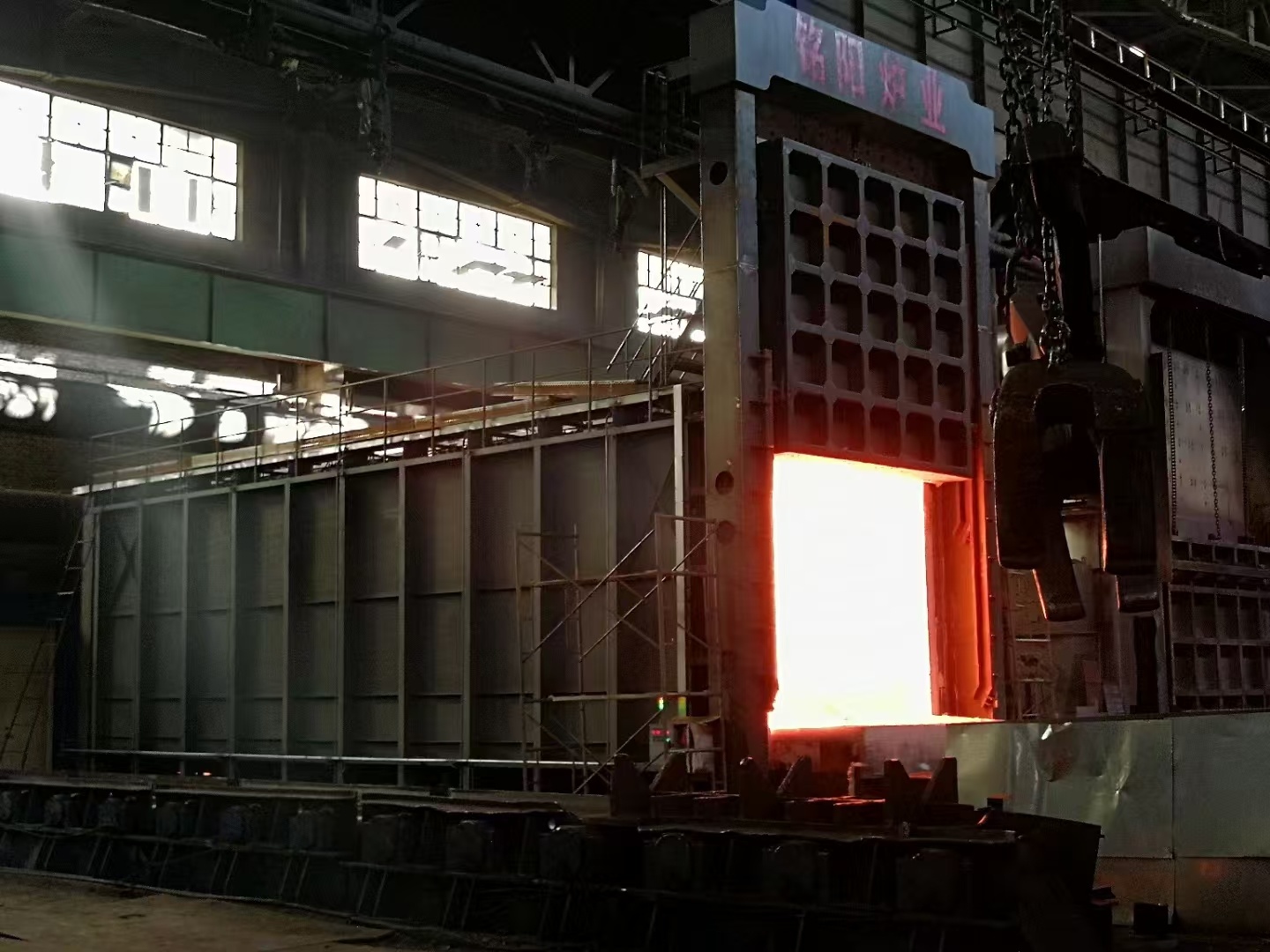


Understanding the Process: How a Steel Quenching Furnace Works
Understanding the Process: How a Steel Quenching Furnace Works
Table of Contents
Introduction to Steel Quenching
What is Quenching?
Importance of Quenching in Steel Treatment
Types of Steel Quenching Furnaces
How Steel Quenching Furnaces Work
Temperature Control in Quenching Processes
Cooling Media Used in Quenching
Applications of Steel Quenching Furnaces
Futu
Understanding the Process: How a Steel Quenching Furnace Works
Table of Contents
- Introduction to Steel Quenching
- What is Quenching?
- Importance of Quenching in Steel Treatment
- Types of Steel Quenching Furnaces
- How Steel Quenching Furnaces Work
- Temperature Control in Quenching Processes
- Cooling Media Used in Quenching
- Applications of Steel Quenching Furnaces
- Future of Quenching Technologies
- Frequently Asked Questions (FAQs)
- Conclusion
Introduction to Steel Quenching
Steel quenching is a critical process in the manufacturing and treatment of steel. This process involves rapidly cooling hot steel to harden it, enhancing its mechanical properties. The steel quenching furnace plays an essential role in this process, providing the necessary environment for efficient cooling. Understanding how these furnaces work is vital for anyone involved in the steel industry, from engineers to operators.
What is Quenching?
Quenching is the process of cooling hot metal, typically steel, at a rapid pace after it has been heated to a specific temperature. This sudden cooling transforms the steel's microstructure, increasing hardness and strength. The temperature to which steel is heated and the cooling rate are crucial factors that influence the final properties of the steel.
The Quenching Process
The quenching process generally involves several steps:
1. **Heating**: Steel is heated in a furnace to a predetermined temperature, usually between 800°C to 1200°C.
2. **Quenching Medium**: The hot steel is then immersed in a quenching medium, such as water, oil, or air.
3. **Cooling**: The rapid cooling that occurs alters the microstructure of the steel, leading to increased hardness.
Types of Quenching Methods
Various methods can be employed for quenching, including water quenching, oil quenching, and air quenching. Each method has unique advantages and is suitable for different applications.
Importance of Quenching in Steel Treatment
Quenching is vital in steel treatment as it directly affects the metal's properties. The hardness achieved through this process is critical for applications where strength and durability are paramount. Without proper quenching, steel can become excessively brittle or remain too soft, making it unsuitable for various industrial uses.
Mechanical Properties Enhanced by Quenching
The quenching process enhances several mechanical properties of steel:
- **Increased Hardness**: Rapid cooling leads to a hard structure known as martensite.
- **Improved Strength**: Quenching increases tensile strength, making steel more resilient under stress.
- **Enhanced Wear Resistance**: Harder steel exhibits greater resistance to wear, extending the lifespan of tools and components.
Types of Steel Quenching Furnaces
There are several types of steel quenching furnaces, each designed to accommodate specific quenching methods and production requirements.
1. Batch Type Quenching Furnaces
Batch-type quenching furnaces are designed to handle specific loads of steel parts at once. They are commonly used for smaller production runs or specialty items requiring precise temperature control.
2. Continuous Quenching Furnaces
Continuous quenching furnaces allow for a steady flow of steel parts through the heating and quenching processes. This type is ideal for high-volume production, as it increases efficiency and reduces cycle times.
3. Induction Quenching Furnaces
Induction quenching furnaces use electromagnetic induction to rapidly heat steel before quenching. This method provides precise control over heating, reducing energy consumption and minimizing distortion in the steel.
How Steel Quenching Furnaces Work
The operation of a steel quenching furnace is intricate and requires careful control to achieve the desired results.
Heating Mechanism
Steel parts are introduced into the furnace, where they are heated uniformly. The furnace may use gas, electricity, or induction methods to reach the required temperature.
Quenching Process
Once the steel reaches the desired temperature, it is quickly transferred to the quenching medium. The furnace is designed to minimize thermal shock, allowing for a smoother transition from heating to cooling.
Automation in Quenching Furnaces
Modern quenching furnaces often incorporate automation technologies to monitor temperatures, control cooling rates, and ensure consistent results. Sensors and computer systems play a crucial role in maintaining optimal conditions throughout the process.
Temperature Control in Quenching Processes
Temperature control is essential in the quenching process to achieve the desired material properties. Precise monitoring ensures that steel parts reach and maintain the required temperature throughout the heating and cooling phases.
Thermal Profiling
Thermal profiling involves mapping the temperature changes that steel undergoes during the quenching process. This data is crucial for optimizing the quenching parameters and ensuring quality results.
Importance of Uniform Heating
Uniform heating is necessary to prevent warping or cracking in the steel. A well-designed quenching furnace ensures consistent temperature distribution, which minimizes the risk of defects.
Cooling Media Used in Quenching
The choice of cooling medium significantly influences the quenching process's effectiveness.
Water as a Cooling Medium
Water is the most common quenching medium due to its excellent cooling properties. However, it can lead to distortion in certain steel grades if not managed correctly.
Oil Quenching
Oil quenching is used for steels that require slower cooling rates to minimize the risk of cracking. Oil provides an effective balance between cooling speed and metal integrity.
Air Quenching
Air quenching involves cooling steel in the open atmosphere. This method is suitable for specific alloys and applications where minimal distortion is required.
Applications of Steel Quenching Furnaces
Steel quenching furnaces are utilized across various industries, including automotive, aerospace, and general manufacturing.
Aerospace Industry
In the aerospace sector, steel components must meet stringent performance standards. Quenching furnaces help ensure the necessary hardness and strength for critical parts.
Automotive Components
Quenching is essential in manufacturing gears, shafts, and other automotive components that experience high stress and wear. The durability provided through quenching enhances vehicle performance and longevity.
Manufacturing Tools
High-performance tools, such as drills and cutting implements, benefit from the increased hardness achieved through quenching. This process extends the lifespan of tools, making them more cost-effective over time.
Future of Quenching Technologies
As technology advances, so do the methodologies surrounding steel quenching. Innovations in automation, monitoring, and materials science are shaping the future of quenching processes.
Smart Quenching Systems
Emerging smart systems equipped with advanced sensors and analytics can optimize the quenching process in real-time. These systems promise increased efficiency and improved product quality.
Environmentally Friendly Cooling Media
Research is ongoing to develop alternative cooling media that reduce environmental impacts while maintaining effective cooling properties.
Frequently Asked Questions (FAQs)
1. What is the primary purpose of a steel quenching furnace?
The primary purpose of a steel quenching furnace is to rapidly cool heated steel to improve its hardness and mechanical properties.
2. How does quenching affect the microstructure of steel?
Quenching transforms the microstructure of steel, leading to the formation of martensite, which significantly increases its hardness.
3. What are the different types of quenching media?
Common quenching media include water, oil, and air, each offering different cooling rates and effects on the steel.
4. Can quenching lead to defects in steel?
Yes, improper quenching can lead to defects such as warping or cracking, highlighting the importance of controlled heating and cooling.
5. What industries benefit from steel quenching processes?
Industries such as automotive, aerospace, and manufacturing of tools benefit significantly from steel quenching processes.
Conclusion
In summary, understanding the process of how a steel quenching furnace works is essential for anyone involved in the steel industry. Quenching plays a critical role in enhancing the mechanical properties of steel, making it suitable for various applications. As technology continues to evolve, quenching processes will become more efficient, reliable, and environmentally friendly, ensuring that the steel industry can meet the demands of the future. By grasping the intricacies of quenching and the operation of these specialized furnaces, industry professionals can contribute to the advancement and optimization of steel manufacturing techniques.

If you are interested in our products, please leave your email and we will contact you as soon as possible.