


Unlock Efficiency: The Best Continuous Furnace Options for Your Foundry
Unlock Efficiency: The Best Continuous Furnace Options for Your Foundry
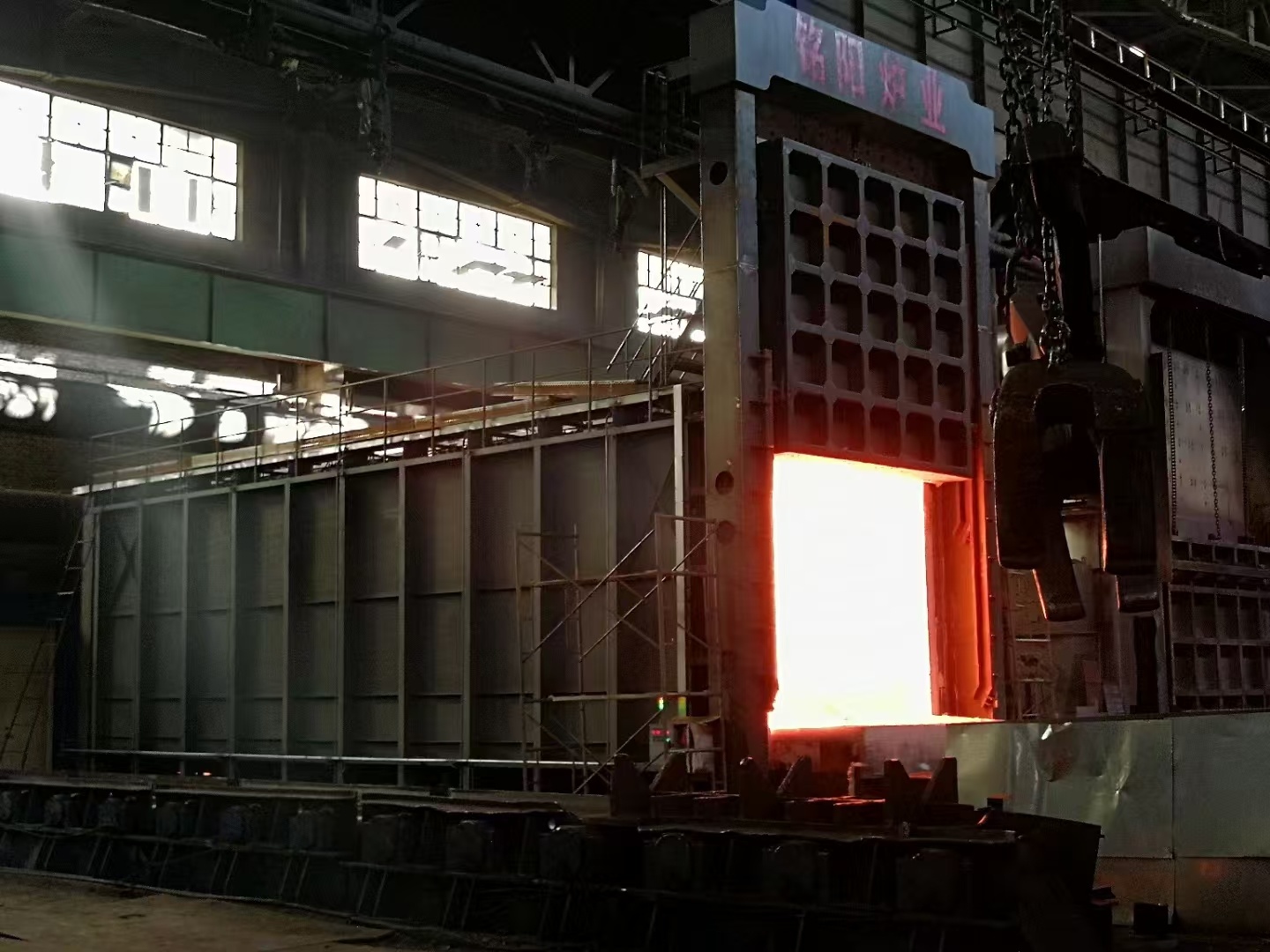
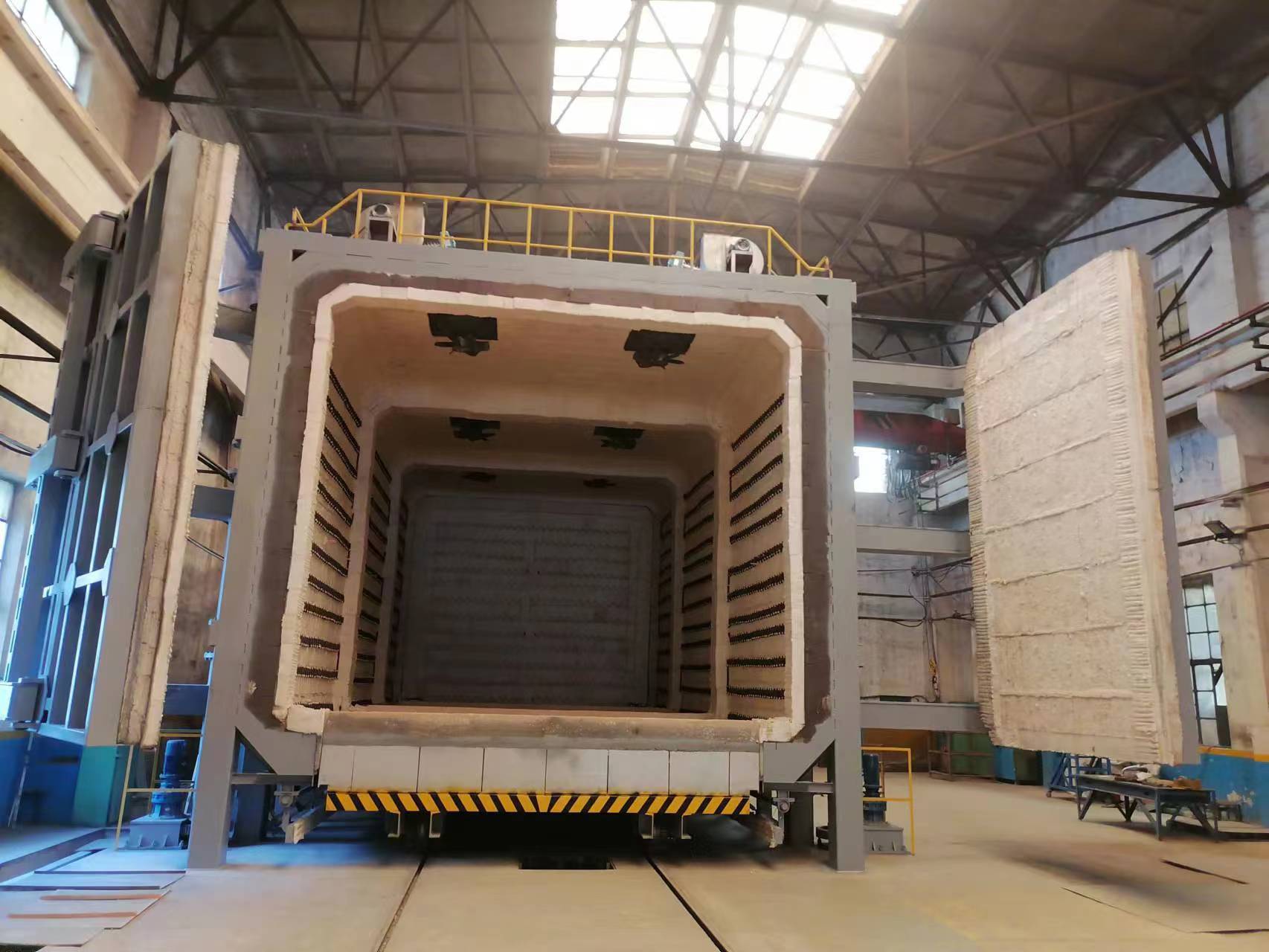
In the competitive landscape of the foundry industry, achieving maximum efficiency and productivity is essential. One of the crucial components that can impact these metrics significantly is the choice of furnace. Continuous furnaces have emerged as a preferred solution for many foundries, offering consistent thermal processing and better energy efficiency than traditional batch methods. This article delves into the best continuous furnace options available for your foundry, guiding you through their features, advantages, and how they can drive your operations forward.
Table of Contents
- What is a Continuous Furnace?
- Advantages of Continuous Furnaces in Foundries
- Top Continuous Furnace Options for Your Foundry
- Key Features to Consider When Choosing a Continuous Furnace
- Efficiency Improvements with Continuous Furnaces
- Maintenance and Care for Continuous Furnaces
- Case Studies: Successful Implementations of Continuous Furnaces
- Conclusion
What is a Continuous Furnace?
A continuous furnace is a type of industrial furnace that operates continuously, allowing materials to be processed without interruption. Unlike batch furnaces, which heat and cool materials in discrete cycles, continuous furnaces provide a constant flow of heat and are designed to process large quantities of materials simultaneously. This method is highly advantageous for foundries that require consistent thermal treatment, such as melting, heat treating, and sintering.
Advantages of Continuous Furnaces in Foundries
Continuous furnaces offer several benefits that make them highly suitable for use in foundries:
1. Increased Production Capacity
Continuous operation allows for higher throughput, enabling foundries to meet demanding production schedules without the downtime associated with batch processing.
2. Improved Energy Efficiency
These furnaces are designed to minimize energy consumption, often utilizing advanced insulation and heat recovery systems to optimize fuel use and reduce costs.
3. Consistent Temperature Control
Continuous furnaces provide a stable thermal environment, ensuring uniform heating and treatment of materials. This consistency is crucial for maintaining quality standards in foundry products.
4. Reduced Labor Costs
Automation capabilities in many continuous furnaces reduce the need for manual interventions, allowing operators to focus on other critical aspects of production and maintenance.
5. Flexibility for Various Applications
Continuous furnaces can be used for a wide range of applications, including melting metals, heat treatment processes, and material drying, making them versatile solutions for foundries.
Top Continuous Furnace Options for Your Foundry
Electric Continuous Furnaces
Electric continuous furnaces use electric resistance heating to achieve the desired temperature. They have become increasingly popular due to their energy efficiency and precise temperature control. Key features include:
- High thermal efficiency with minimal heat loss
- Ability to reach high temperatures quickly
- Environmentally friendly, producing no emissions
These furnaces are ideal for processes requiring precise temperature settings, such as the melting of alloys and heat treatment of metals.
Gas-Fired Continuous Furnaces
Gas-fired continuous furnaces utilize natural gas or propane as a fuel source. They are known for their rapid heating capabilities and ability to handle large quantities of materials. Advantages include:
- Lower operational costs compared to electric furnaces
- Suitable for high-volume applications
- Flexible design options to accommodate various setups
These furnaces are particularly effective for metal melting and sintering processes, where high volumes are essential.
Induction Continuous Furnaces
Induction continuous furnaces use electromagnetic induction to heat materials. This technology offers exceptional efficiency and control, making them a favorite for modern foundries. Benefits include:
- Rapid heating with minimal thermal inertia
- Highly efficient energy use
- Precise control over heating cycles, reducing material waste
Induction furnaces are excellent for melting ferrous and non-ferrous materials and are increasingly used in applications that require high precision.
Key Features to Consider When Choosing a Continuous Furnace
When selecting a continuous furnace for your foundry, consider the following key features to ensure you make an informed decision:
1. Temperature Range
Assess the temperature requirements of your processes. Different furnaces have varying maximum temperature capabilities, influencing their suitability for specific applications.
2. Energy Source
Choosing between electric, gas, or induction heating depends on your operational needs, local energy costs, and environmental considerations.
3. Throughput Capacity
Evaluate your production demands. The furnace's design and configuration should align with your volume requirements to maximize efficiency.
4. Automation Features
Modern continuous furnaces often come equipped with automation systems that enhance operational efficiency. Consider the level of automation that best suits your workforce and production processes.
5. Maintenance Requirements
Ease of maintenance is crucial for minimizing downtime. Look for furnaces with accessible components and straightforward maintenance protocols.
Efficiency Improvements with Continuous Furnaces
Implementing continuous furnaces can significantly enhance your foundry's efficiency in several ways:
1. Streamlined Production Workflow
Continuous furnaces facilitate an uninterrupted workflow, allowing for seamless material processing from start to finish.
2. Reduced Energy Consumption
By optimizing energy use and maintaining consistent temperatures, these furnaces can lead to substantial cost savings over time.
3. Enhanced Material Quality
The uniform heating provided by continuous furnaces ensures that materials undergo consistent thermal treatment, resulting in improved quality and reduced defects.
4. Environmentally Friendly Operations
Electric and induction furnaces contribute to lower emissions, aligning with global sustainability goals and regulations.
Maintenance and Care for Continuous Furnaces
Proper maintenance of continuous furnaces is essential for ensuring longevity and optimal performance. Consider the following maintenance tips:
1. Regular Inspections
Conduct routine inspections to identify wear and tear on components and address any issues promptly.
2. Cleaning Protocols
Establish a cleaning schedule to remove any buildup of residue that could affect performance and safety.
3. Monitoring Systems
Utilize monitoring systems to track temperature levels, energy consumption, and operational efficiency, allowing for timely adjustments.
4. Professional Servicing
Engage qualified technicians for periodic servicing to maintain the furnace's operational integrity and performance.
Case Studies: Successful Implementations of Continuous Furnaces
Numerous foundries have successfully implemented continuous furnaces, yielding remarkable results. Here are a few case studies highlighting their impact:
1. Steel Foundry Transformation
A steel foundry transitioned from batch processing to an electric continuous furnace, achieving a 30% increase in production capacity while reducing energy costs by 20%. The consistent thermal processing improved product quality and reduced scrap rates.
2. Aluminum Melting Efficiency
Another foundry specializing in aluminum components introduced a gas-fired continuous furnace, significantly reducing melting times. This shift resulted in a 25% increase in throughput and a notable reduction in environmental emissions.
Conclusion
Choosing the right continuous furnace for your foundry is a critical decision that can unlock unprecedented efficiency and productivity. By understanding the various types of continuous furnaces—electric, gas-fired, and induction—as well as their advantages and key features, you can make an informed choice that aligns with your operational goals. Continuous furnaces not only enhance production capacity and energy efficiency but also improve the overall quality of your products. With proper maintenance and care, these furnaces can provide a reliable and effective solution for meeting the demands of the modern foundry industry.
FAQs
1. What is the primary advantage of using a continuous furnace over a batch furnace?
The primary advantage is the ability to process materials continuously, resulting in higher throughput, reduced cycle times, and improved energy efficiency.
2. How do I determine the right continuous furnace for my foundry?
Consider factors such as temperature requirements, production capacity, energy source, automation features, and maintenance needs.
3. Are continuous furnaces suitable for all types of materials?
While continuous furnaces are versatile, specific models are better suited for certain materials. It's essential to evaluate your material requirements before making a decision.
4. What maintenance practices should I follow for continuous furnaces?
Regular inspections, cleaning protocols, and professional servicing are vital for ensuring optimal performance and longevity.
5. Can continuous furnaces contribute to sustainability efforts in foundries?
Yes, by improving energy efficiency and reducing emissions, continuous furnaces can significantly enhance a foundry's sustainability profile.

If you are interested in our products, please leave your email and we will contact you as soon as possible.