
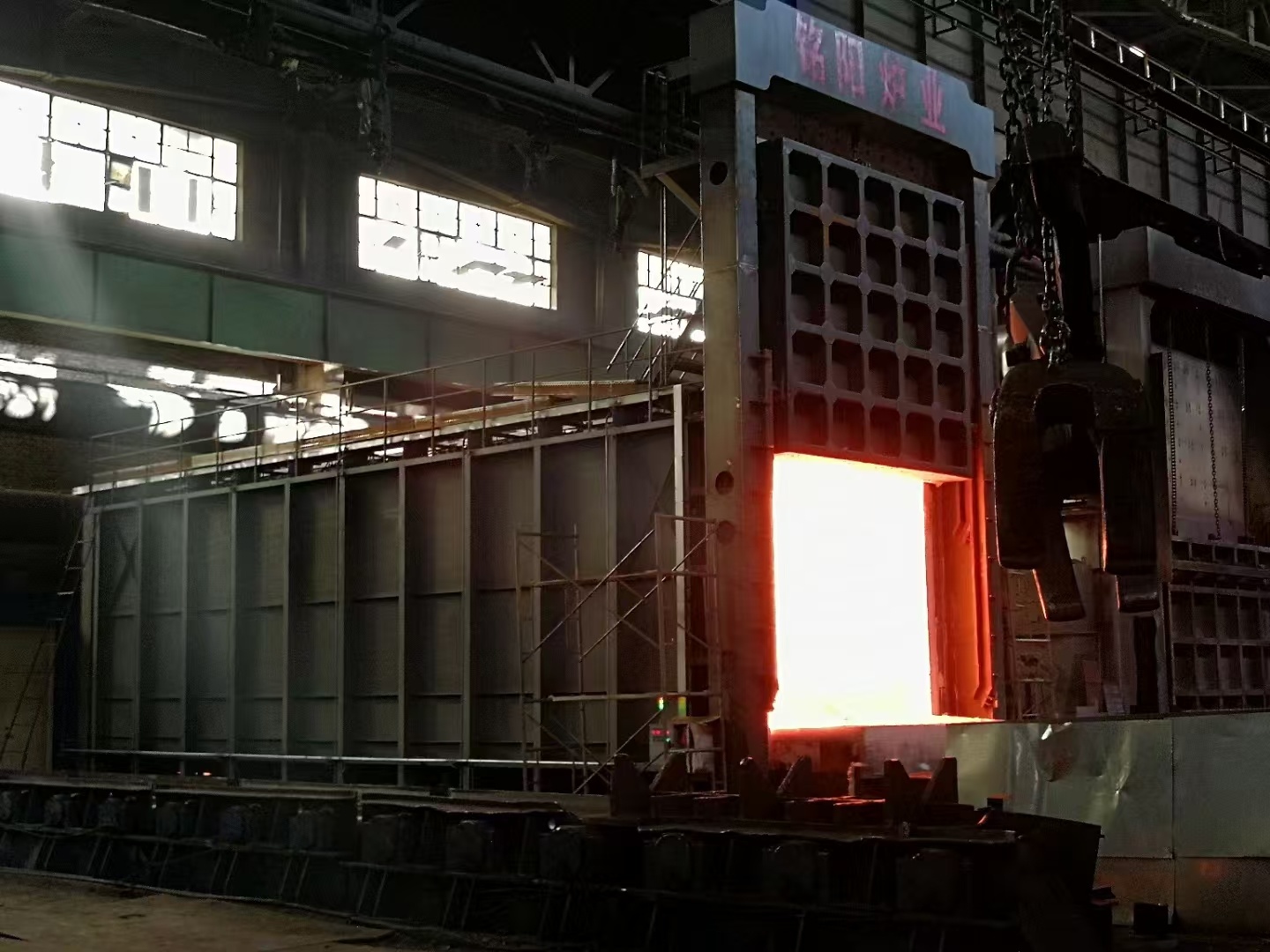



Exploring the Benefits of the Newest Carburizing Furnace in Heat Treatment
Exploring the Benefits of the Newest Carburizing Furnace in Heat Treatment
Table of Contents
1. Introduction to Carburizing Furnaces in Heat Treatment
2. What is Carburizing?
3. How Carburizing Furnaces Work
4. Benefits of the Newest Carburizing Furnaces
4.1 Improved Energy Efficiency
4.2 Enhanced Material Properties
4.3 Advanced Contro
Exploring the Benefits of the Newest Carburizing Furnace in Heat Treatment
Table of Contents
- 1. Introduction to Carburizing Furnaces in Heat Treatment
- 2. What is Carburizing?
- 3. How Carburizing Furnaces Work
- 4. Benefits of the Newest Carburizing Furnaces
- 4.1 Improved Energy Efficiency
- 4.2 Enhanced Material Properties
- 4.3 Advanced Control Systems
- 4.4 Reduced Cycle Times
- 5. Applications of Carburizing Furnaces
- 6. Technological Advancements in Carburizing Furnaces
- 7. Choosing the Right Carburizing Furnace for Your Needs
- 8. Common FAQs
- 9. Conclusion
1. Introduction to Carburizing Furnaces in Heat Treatment
In the realm of industrial manufacturing, **heat treatment** plays a pivotal role in enhancing the physical and mechanical properties of materials. Among various heat treatment processes, **carburizing** stands out as a crucial method for increasing the surface hardness of steel components. The advent of advanced **carburizing furnaces** has redefined the efficiency and effectiveness of this process, providing manufacturers with enhanced capabilities to meet rising demands for quality and performance.
This article delves into the newest advancements in carburizing furnace technology, examining their benefits in heat treatment processes. We aim to provide comprehensive insights that will empower manufacturers to make informed decisions regarding their heat treatment methodologies.
2. What is Carburizing?
**Carburizing** is a heat treatment process used primarily on steel components to improve their hardness and wear resistance. This process involves the diffusion of carbon into the surface layer of the steel, leading to the formation of a hardened case while retaining a softer, ductile core. The carburizing process typically occurs at elevated temperatures in a carbon-rich environment, and it can be performed using various methods, including gas carburizing, liquid carburizing, and pack carburizing.
The importance of carburizing cannot be overstated, as it is widely used in applications ranging from gears and shafts to automotive components. The ability to tailor the surface properties of materials makes carburizing a critical step in ensuring the longevity and reliability of industrial products.
3. How Carburizing Furnaces Work
Carburizing furnaces are specifically designed to facilitate the carburizing process by maintaining the optimal temperature and carbon atmosphere. The operation of these furnaces typically involves the following key steps:
1. **Heating**: The furnace is heated to the desired temperature, usually between 850°C and 950°C. This temperature range is critical for effective carbon diffusion into the steel surface.
2. **Carbon Atmosphere**: The furnace is then filled with a carbon-rich atmosphere, created using gases such as propane, methane, or specialized carburizing agents. This environment allows carbon to penetrate the surface of the steel components.
3. **Diffusion**: During the carburizing cycle, carbon atoms diffuse into the steel surface. The duration of this cycle can vary based on the desired case depth and material specifications.
4. **Cooling**: After the carburizing process is complete, the components are rapidly cooled, often through quenching, to lock in the desired surface properties.
Modern carburizing furnaces are equipped with advanced control systems that allow for precise monitoring of temperature and atmosphere, ensuring consistent results across batches.
4. Benefits of the Newest Carburizing Furnaces
As technology continues to advance, the benefits of the newest carburizing furnaces become increasingly apparent. Here are some of the most significant advantages these cutting-edge machines offer:
4.1 Improved Energy Efficiency
One of the standout features of modern carburizing furnaces is their improved energy efficiency. With innovations in furnace design and insulation technology, these furnaces require less energy to maintain optimal operating temperatures. This not only reduces operational costs but also minimizes the environmental impact of heat treatment processes.
4.2 Enhanced Material Properties
The ability to achieve more uniform carbon distribution and better control over case depth is a hallmark of the latest carburizing furnaces. Enhanced material properties result in components that exhibit superior wear resistance, fatigue strength, and overall performance. These improvements are particularly important in high-performance applications where reliability is critical.
4.3 Advanced Control Systems
Newer carburizing furnaces come equipped with sophisticated control systems that allow for real-time monitoring and adjustments. These systems enable operators to maintain precise temperature and gas flow conditions, ensuring consistent results and reducing the risk of defects. Additionally, these controls can facilitate automation, further streamlining the heat treatment process.
4.4 Reduced Cycle Times
With advancements in technology, the latest carburizing furnaces can significantly reduce cycle times without compromising quality. Faster heating rates and optimized carburizing cycles enable manufacturers to increase throughput, leading to improved productivity and reduced lead times for finished products.
5. Applications of Carburizing Furnaces
Carburizing furnaces find applications across various industries due to their ability to enhance the performance characteristics of steel components. Some notable applications include:
- **Automotive Industry**: Gears, crankshafts, and transmission components often undergo carburizing to improve durability and performance.
- **Aerospace Sector**: Critical components such as landing gear and turbine blades benefit from the enhanced hardness and fatigue resistance provided by carburizing.
- **Manufacturing Equipment**: Tools and dies used in manufacturing processes are often carburized to extend their service life and maintain precision.
- **Oil and Gas Industry**: Components exposed to harsh environments, such as drilling equipment, require the superior wear resistance achieved through carburizing.
These applications highlight the versatility of carburizing furnaces and their essential role in modern manufacturing processes.
6. Technological Advancements in Carburizing Furnaces
The field of heat treatment is continually evolving, and several technological advancements are shaping the future of carburizing furnaces. Key developments include:
- **Digital Monitoring and Control**: The integration of IoT (Internet of Things) technology allows for remote monitoring and data collection, enabling predictive maintenance and process optimization.
- **Atmosphere Control Technology**: Advanced gas control systems ensure a consistent and precise carbon atmosphere within the furnace, reducing the risk of defects due to improper carburizing conditions.
- **Energy Recovery Systems**: Innovative designs incorporate energy recovery systems that capture heat from exhaust gases, further enhancing energy efficiency.
These advancements not only improve the performance of carburizing furnaces but also contribute to sustainable manufacturing practices.
7. Choosing the Right Carburizing Furnace for Your Needs
Selecting the appropriate carburizing furnace is critical for achieving desired results in heat treatment processes. Consider the following factors when making your decision:
- **Production Volume**: Assess your production needs to choose a furnace that can accommodate your throughput requirements.
- **Component Specifications**: Different applications may require specific temperature ranges and carburizing atmospheres. Ensure the furnace you select is compatible with your materials.
- **Space Constraints**: Consider the available space in your facility. Furnaces come in various sizes, and selecting one that fits your workspace is essential.
- **Budget**: Evaluate your budget and look for furnaces that offer the features you need at a price point that aligns with your financial resources.
By taking these factors into account, manufacturers can make informed choices that enhance their heat treatment processes.
8. Common FAQs
What is the primary purpose of carburizing?
The primary purpose of carburizing is to improve the surface hardness and wear resistance of steel components while maintaining a ductile core.
What are the different methods of carburizing?
The main methods of carburizing include gas carburizing, liquid carburizing, and pack carburizing, each offering different advantages based on the application.
How does temperature affect the carburizing process?
Higher temperatures generally enhance the diffusion rate of carbon, leading to improved case depth; however, excessive temperatures may result in distortion or loss of material properties.
Can carburizing be performed on all types of steel?
While carburizing is most effective on certain alloy steels, not all types of steel are suitable for this process. Always consult material specifications before proceeding.
What safety precautions should be taken when operating carburizing furnaces?
Operators should adhere to safety protocols, including proper ventilation, protective equipment, and regular maintenance checks to ensure safe operation of carburizing furnaces.
9. Conclusion
The newest carburizing furnaces represent a significant advancement in the field of heat treatment, offering numerous benefits that enhance manufacturing processes. From improved energy efficiency and enhanced material properties to advanced control systems and reduced cycle times, these furnaces provide the tools necessary for manufacturers to meet the growing demands for quality and performance.
By understanding the intricacies of carburizing and the advantages of modern furnaces, manufacturers can optimize their heat treatment processes, leading to superior product performance and increased competitiveness in the industry. As technology continues to evolve, embracing innovations in carburizing furnace design will be vital for sustaining success in the manufacturing landscape.

If you are interested in our products, please leave your email and we will contact you as soon as possible.