


Maximizing Efficiency and Quality: The Role of Advanced Annealing Furnaces in Industrial Applications
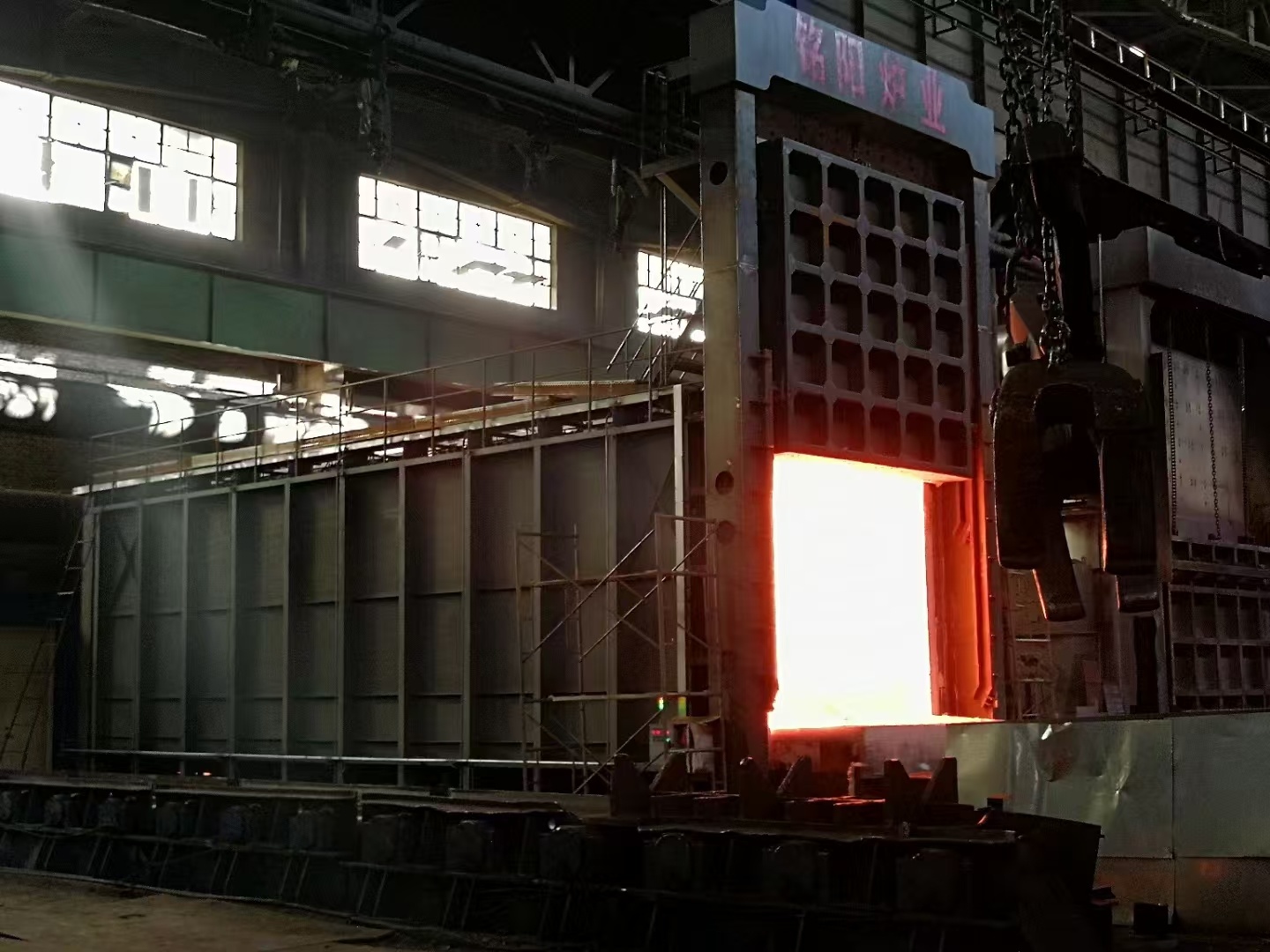
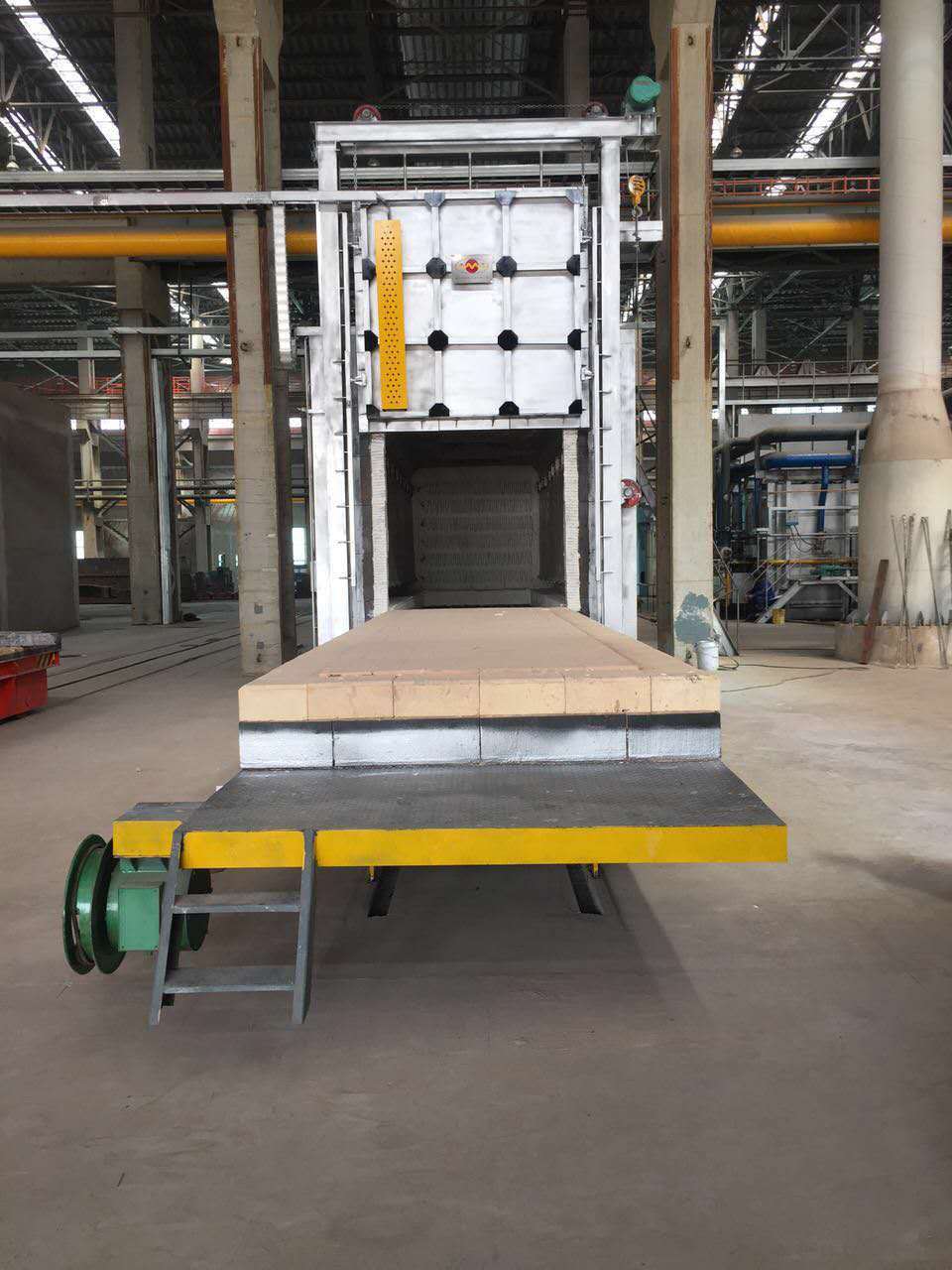
The advanced annealing furnace plays a pivotal role in the industrial equipment and components sector, especially in casting and heat treatment processes. As manufacturers aim to improve product quality and operational efficiency, understanding the functionality and advantages of these furnaces becomes essential.
Advanced annealing furnaces are designed to provide precise temperature control and u
The advanced annealing furnace plays a pivotal role in the industrial equipment and components sector, especially in casting and heat treatment processes. As manufacturers aim to improve product quality and operational efficiency, understanding the functionality and advantages of these furnaces becomes essential.
Advanced annealing furnaces are designed to provide precise temperature control and uniform heating, which are critical for optimal material properties. The primary function of these furnaces is to relieve internal stresses in metals and alloys, promote grain refinement, and enhance ductility, which ultimately leads to improved mechanical properties of the finished products. By effectively managing the heating and cooling cycles, these furnaces help to achieve a consistent metallurgical structure, which is vital in applications ranging from automotive components to aerospace parts.
One of the most significant advantages of advanced annealing furnaces is their energy efficiency. Many modern designs incorporate innovative technologies that reduce energy consumption, minimizing operational costs. For instance, some furnaces employ advanced insulation materials and heat recovery systems, which not only conserve energy but also contribute to a more sustainable manufacturing process. This aspect is increasingly important for companies striving to meet environmental regulations and reduce their carbon footprint.
In addition to energy efficiency, advanced annealing furnaces offer flexibility in processing a variety of materials. They can accommodate different shapes and sizes of components, making them suitable for diverse industrial applications. This versatility allows manufacturers to streamline production processes, as a single furnace can handle multiple tasks, thereby reducing the need for multiple pieces of equipment.
Another key feature to consider is the integration of advanced control systems in modern annealing furnaces. These systems enable real-time monitoring and adjustments during the annealing process, ensuring that the materials are subjected to precise thermal profiles. Such technological advancements not only enhance product quality but also improve process repeatability, reducing the risk of defects and waste.
Furthermore, the advanced annealing furnace can contribute significantly to the overall competitiveness of a manufacturing facility. By ensuring high-quality outputs and optimizing production efficiency, these furnaces help businesses to meet customer demands effectively and remain agile in rapidly changing markets.
In conclusion, the integration of advanced annealing furnaces into industrial operations can lead to significant improvements in product quality, energy efficiency, and operational flexibility. As the industry continues to evolve, investing in these technologies will be crucial for manufacturers looking to stay ahead in a competitive landscape. Understanding the benefits and capabilities of advanced annealing furnaces is a vital step toward achieving excellence in industrial production.
Advanced annealing furnaces are designed to provide precise temperature control and uniform heating, which are critical for optimal material properties. The primary function of these furnaces is to relieve internal stresses in metals and alloys, promote grain refinement, and enhance ductility, which ultimately leads to improved mechanical properties of the finished products. By effectively managing the heating and cooling cycles, these furnaces help to achieve a consistent metallurgical structure, which is vital in applications ranging from automotive components to aerospace parts.
One of the most significant advantages of advanced annealing furnaces is their energy efficiency. Many modern designs incorporate innovative technologies that reduce energy consumption, minimizing operational costs. For instance, some furnaces employ advanced insulation materials and heat recovery systems, which not only conserve energy but also contribute to a more sustainable manufacturing process. This aspect is increasingly important for companies striving to meet environmental regulations and reduce their carbon footprint.
In addition to energy efficiency, advanced annealing furnaces offer flexibility in processing a variety of materials. They can accommodate different shapes and sizes of components, making them suitable for diverse industrial applications. This versatility allows manufacturers to streamline production processes, as a single furnace can handle multiple tasks, thereby reducing the need for multiple pieces of equipment.
Another key feature to consider is the integration of advanced control systems in modern annealing furnaces. These systems enable real-time monitoring and adjustments during the annealing process, ensuring that the materials are subjected to precise thermal profiles. Such technological advancements not only enhance product quality but also improve process repeatability, reducing the risk of defects and waste.
Furthermore, the advanced annealing furnace can contribute significantly to the overall competitiveness of a manufacturing facility. By ensuring high-quality outputs and optimizing production efficiency, these furnaces help businesses to meet customer demands effectively and remain agile in rapidly changing markets.
In conclusion, the integration of advanced annealing furnaces into industrial operations can lead to significant improvements in product quality, energy efficiency, and operational flexibility. As the industry continues to evolve, investing in these technologies will be crucial for manufacturers looking to stay ahead in a competitive landscape. Understanding the benefits and capabilities of advanced annealing furnaces is a vital step toward achieving excellence in industrial production.

If you are interested in our products, please leave your email and we will contact you as soon as possible.