



Unlocking Efficiency: The Benefits of a Durable Box Furnace in Industrial Applications
Unlocking Efficiency: The Benefits of a Durable Box Furnace
Table of Contents
1. Introduction to Box Furnaces
2. What is a Box Furnace?
3. The Benefits of Durable Box Furnaces
3.1 Energy Efficiency
3.2 Consistent Heat Distribution
3.3 Enhanced Product Quality
3.4 Long-term Cost Savings
3.5 Versatility in Applications
Unlocking Efficiency: The Benefits of a Durable Box Furnace
Table of Contents
- 1. Introduction to Box Furnaces
- 2. What is a Box Furnace?
- 3. The Benefits of Durable Box Furnaces
- 3.1 Energy Efficiency
- 3.2 Consistent Heat Distribution
- 3.3 Enhanced Product Quality
- 3.4 Long-term Cost Savings
- 3.5 Versatility in Applications
- 4. Design and Technology of Box Furnaces
- 5. Maintenance and Care for Box Furnaces
- 6. Frequently Asked Questions
- 7. Conclusion
1. Introduction to Box Furnaces
In the realm of industrial manufacturing, **efficiency** is paramount. One of the critical components contributing to operational efficiency is the **box furnace**. Known for their robust performance in various industrial applications, particularly in **casting** and **heat treatment**, box furnaces are instrumental in enhancing production capabilities. This article aims to unveil the myriad benefits of utilizing durable box furnaces, helping industries make informed decisions regarding their equipment investments.
2. What is a Box Furnace?
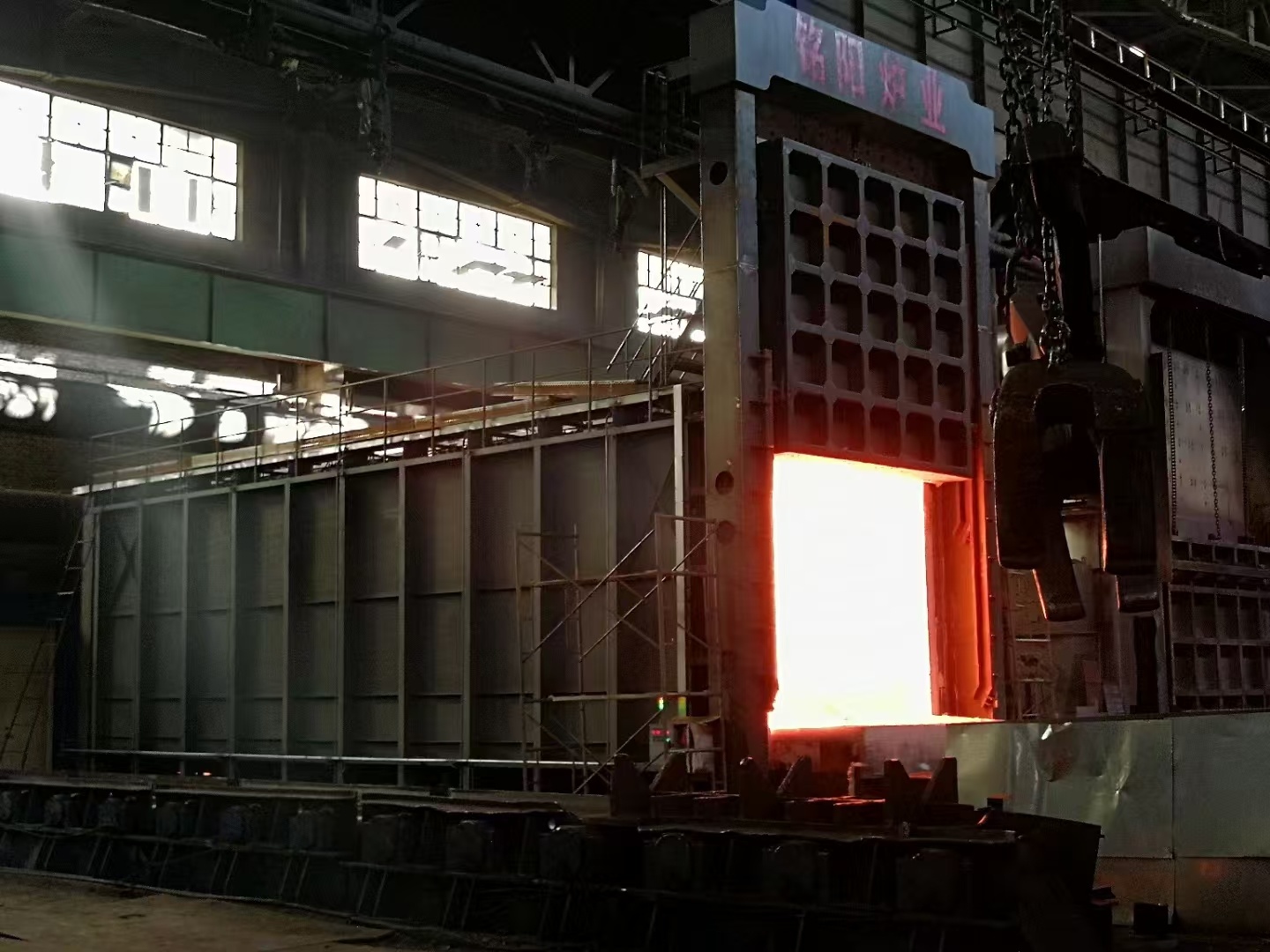
A box furnace is a type of industrial oven characterized by its rectangular or box-like design. It is specifically engineered for **heat treatment**, **annealing**, and **drying** various materials. These furnaces operate on electric or gas power and can achieve high temperatures necessary for different industrial processes. The design facilitates easy loading and unloading of materials, which is essential for maintaining workflow and efficiency.
3. The Benefits of Durable Box Furnaces
Investing in a durable box furnace offers numerous advantages that can significantly impact manufacturing processes.
3.1 Energy Efficiency
One of the standout features of durable box furnaces is their **energy efficiency**. With advanced insulation and heating technologies, these furnaces minimize energy loss, leading to lower electricity or gas consumption. By utilizing energy-efficient designs, companies can reduce their **operational costs**, making it a financially sound investment in the long run.
3.2 Consistent Heat Distribution
Durable box furnaces are designed to provide **uniform heat distribution** throughout the chamber. This is crucial for processes that require precise temperature control, such as heat treatment and annealing. Achieving consistent heating ensures that materials undergo the necessary transformations uniformly, resulting in enhanced product quality and reduced waste.
3.3 Enhanced Product Quality
The quality of the end product is directly influenced by the heating process. With a durable box furnace, industries can maintain stringent quality standards. The precise control over temperature and atmosphere allows for uniform processing, leading to superior material properties, such as increased strength and durability. This is especially vital in industries like aerospace and automotive, where product reliability is non-negotiable.
3.4 Long-term Cost Savings
While the initial investment in a high-quality box furnace may be significant, the long-term savings are far greater. Reduced energy consumption, lower maintenance costs, and enhanced product quality contribute to overall cost efficiency. Moreover, the longevity of a durable box furnace minimizes the need for frequent replacements, further solidifying its value as a critical asset in any manufacturing setup.
3.5 Versatility in Applications
Durable box furnaces offer **versatility** that makes them suitable for various applications. From metal heat treatment to ceramic firing, these furnaces can adapt to different industrial needs. This flexibility allows manufacturers to utilize the same equipment for multiple purposes, streamlining operations and reducing the need for a diverse range of machinery.
4. Design and Technology of Box Furnaces
The design and technological advancements in box furnaces play a significant role in their functionality and performance.
4.1 Construction Materials
Durable box furnaces are constructed using high-quality materials that can withstand extreme temperatures and corrosive environments. Common materials include heavy-duty steel and refractory bricks, which enhance durability and thermal efficiency. The choice of materials directly impacts the furnace's lifespan and operational reliability.
4.2 Advanced Control Systems
Modern box furnaces are equipped with **advanced control systems** that allow for precise monitoring and adjustment of temperature and atmosphere. These systems can be automated, enabling operators to program specific heating cycles, ensuring repeatability and accuracy in manufacturing processes. The integration of technology improves operational efficiency and reduces the likelihood of human error.
5. Maintenance and Care for Box Furnaces
To ensure the longevity and optimal performance of a box furnace, regular maintenance is essential. Here are some key maintenance practices:
- **Routine Inspections**: Schedule regular inspections to identify potential issues before they escalate. Checking for wear and tear on heating elements and insulation can prevent costly downtimes.
- **Cleaning**: Regularly clean the furnace interior and exterior to prevent buildup that can affect performance. Removing debris and residual materials ensures efficient heating and extends the life of the furnace.
- **Calibration**: Periodically calibrate temperature sensors and control systems to maintain accuracy. This practice is crucial for processes that depend on precise temperature settings.
- **Professional Servicing**: Engage professional technicians for comprehensive servicing at least once a year. Their expertise can help identify underlying problems and maintain optimal function.
6. Frequently Asked Questions
1. What types of materials can be processed in a box furnace?
Box furnaces can process a wide range of materials, including metals, ceramics, and glass, making them adaptable for various industrial applications.
2. How does a box furnace compare to other types of furnaces?
Box furnaces are known for their efficiency and versatility, providing consistent heating and the ability to accommodate larger loads compared to other furnace types like batch furnaces or tunnel kilns.
3. What is the typical temperature range for a box furnace?
Most box furnaces can operate within a temperature range of 1000°F to 2400°F (538°C to 1316°C), depending on the design and intended application.
4. Are box furnaces energy-efficient?
Yes, durable box furnaces are designed with energy efficiency in mind, utilizing advanced insulation and heating technologies to minimize energy consumption.
5. What are the common applications of box furnaces in industry?
Common applications include heat treatment of metals, ceramic firing, drying processes, and annealing, among others.
7. Conclusion
In conclusion, the benefits of a durable box furnace extend far beyond its initial cost. By investing in a high-quality box furnace, industries can unlock unparalleled efficiency, energy savings, and product quality. With their versatile applications, advanced technological features, and strong construction, durable box furnaces are indispensable tools in modern manufacturing. Adopting these furnaces not only enhances operational capabilities but also positions companies for long-term success in a competitive market. Embracing the advantages of a durable box furnace is a step towards achieving operational excellence and sustainability in industrial practices.

If you are interested in our products, please leave your email and we will contact you as soon as possible.