


How Classy Normalizing Furnaces Improve Product Consistency in Industrial Applications
Introduction to Classy Normalizing Furnaces
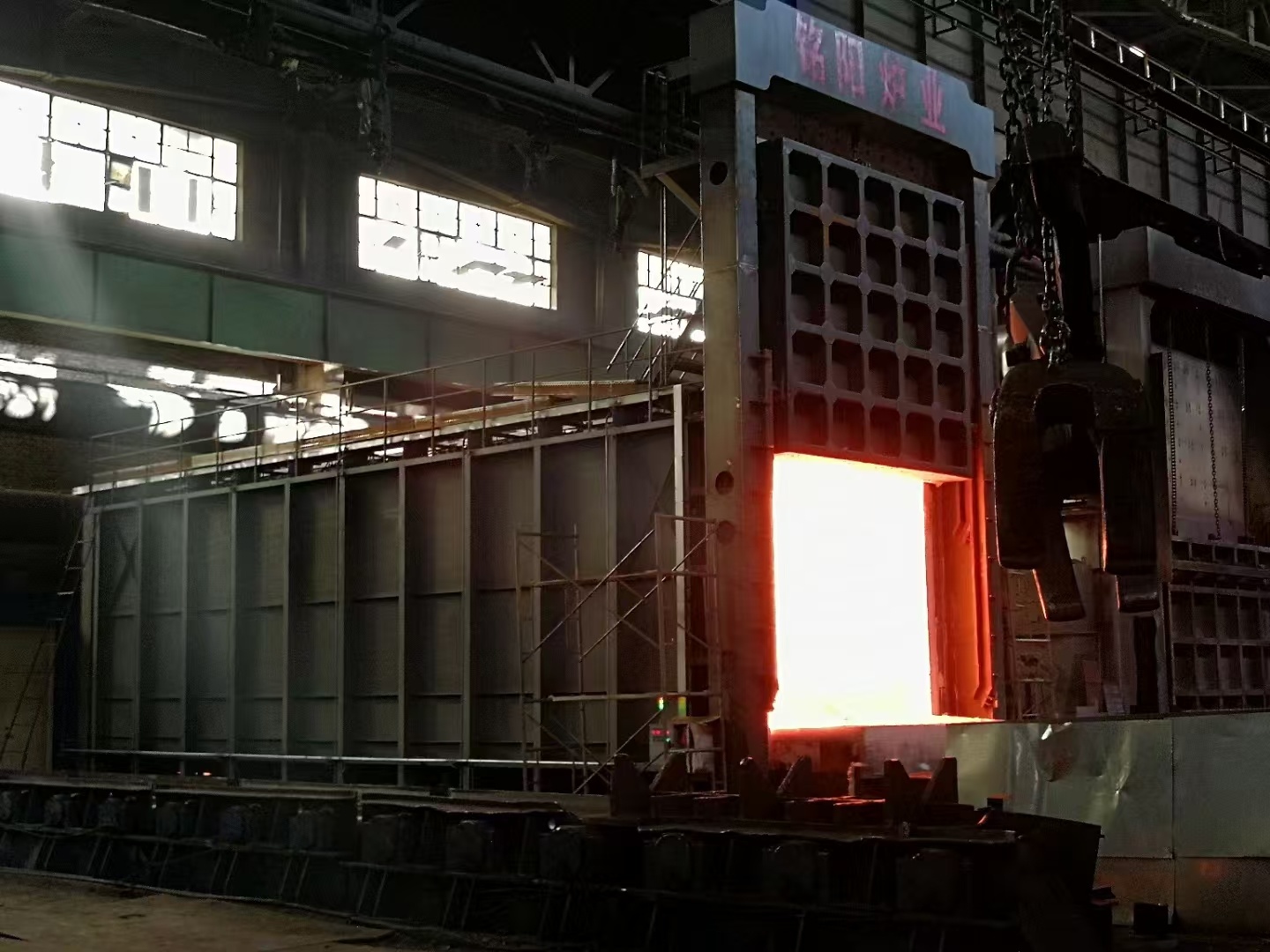
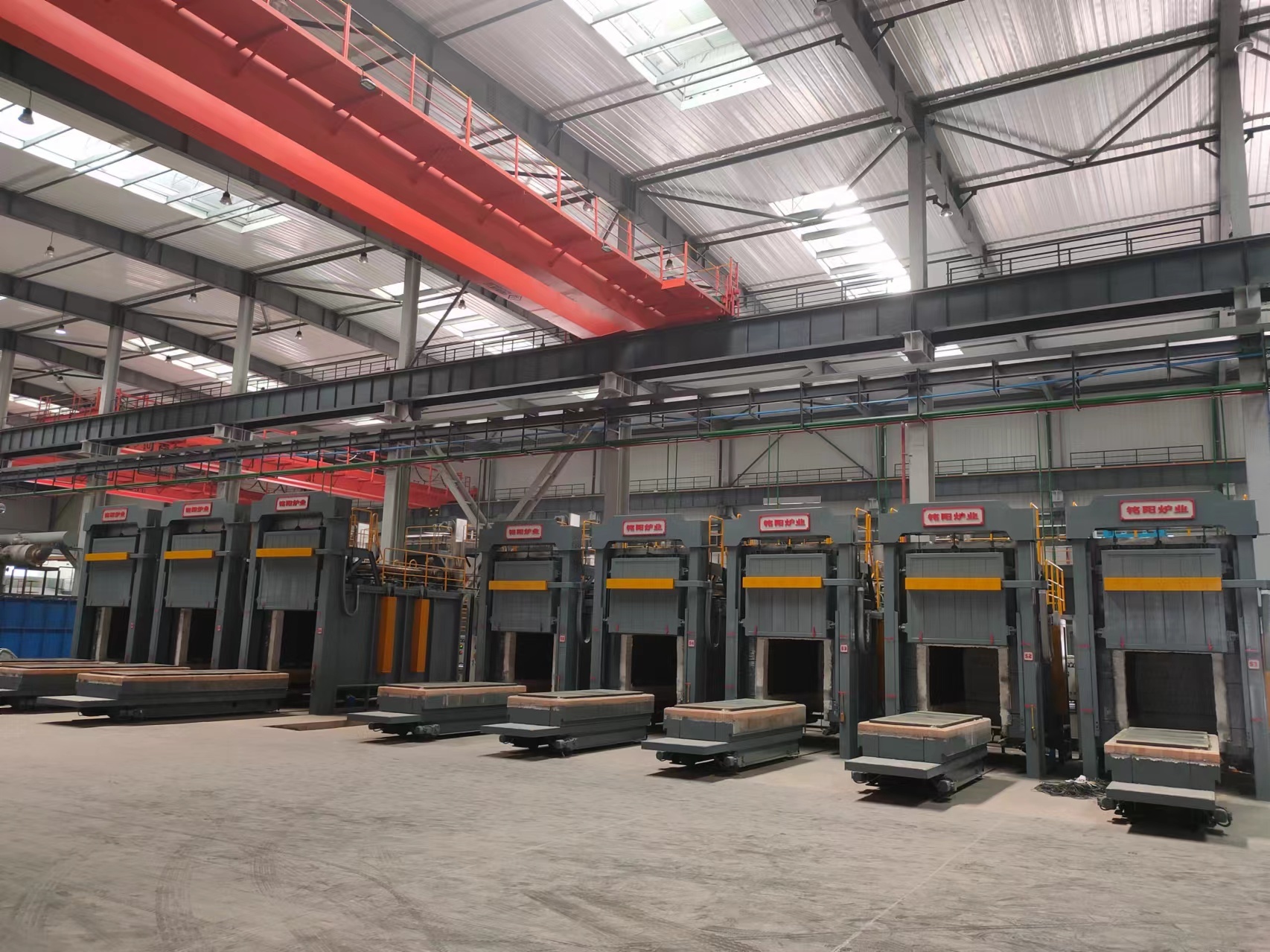
In the modern manufacturing landscape, achieving consistent product quality is crucial for maintaining competitiveness and meeting customer demands. Classy normalizing furnaces are a vital component in this equation, serving to refine the properties of metals and alloys post-casting or forging. These furnaces are designed to heat materials uniformly, all
Introduction to Classy Normalizing Furnaces
In the modern manufacturing landscape, achieving consistent product quality is crucial for maintaining competitiveness and meeting customer demands. Classy normalizing furnaces are a vital component in this equation, serving to refine the properties of metals and alloys post-casting or forging. These furnaces are designed to heat materials uniformly, allowing for precise thermal treatments that enhance mechanical properties, such as strength and ductility.
Understanding the Process: What is Normalizing?
Normalizing is a thermal treatment process designed to alleviate internal stresses within metals, improve their microstructure, and enhance overall product consistency. The process involves heating the metal to a temperature above its critical point, followed by controlled air cooling. This method results in a uniform grain structure, leading to improved physical properties.
The Importance of Consistency in Manufacturing
In industries such as aerospace, automotive, and heavy machinery, product consistency is paramount. Variations in material properties can lead to catastrophic failures, increased scrap rates, and ultimately, loss of revenue. Classy normalizing furnaces address these concerns by ensuring that each batch of material undergoes the same precise treatment, thus minimizing variability.
Benefits of Classy Normalizing Furnaces
Classy normalizing furnaces come with a range of benefits that collectively contribute to improved product consistency:
1. **Uniform Heating**: Advanced temperature control systems ensure that materials are heated evenly, preventing hotspots and cold spots that can lead to inconsistent properties.
2. **Enhanced Microstructure**: By controlling the cooling rate, these furnaces facilitate the formation of a refined microstructure, which is critical for achieving desired mechanical characteristics.
3. **Reduced Cycle Times**: Efficient design and operation of normalizing furnaces can lead to shorter processing times, improving overall productivity without sacrificing quality.
4. **Energy Efficiency**: Modern normalizing furnaces are equipped with energy-saving technologies that reduce fuel consumption, further enhancing operational efficiency.
5. **Adaptability**: Classy normalizing furnaces can be tailored to meet specific production needs, accommodating various materials and geometries.
How Classy Normalizing Furnaces Work
The operational efficiency of classy normalizing furnaces is rooted in their sophisticated design and advanced technology. Here’s how they function:
Heating Mechanisms
The heating process in normalizing furnaces involves several key mechanisms:
- **Convection**: Hot air circulation within the furnace promotes even heating of materials.
- **Radiation**: Infrared heating elements can be employed to enhance thermal transfer.
- **Conduction**: Direct contact between heating elements and materials also aids in achieving uniform temperatures.
Temperature Control and Monitoring
Precision is paramount in thermal processing. Classy normalizing furnaces are equipped with advanced control systems that allow for real-time monitoring of temperature fluctuations. These systems use thermocouples and data loggers to ensure that the specified temperature range is maintained throughout the normalizing cycle.
Cooling Techniques
Cooling is just as important as heating in the normalizing process. Classy normalizing furnaces typically employ controlled air cooling, which facilitates the formation of a uniform microstructure. The cooling rate must be optimized to prevent the formation of undesirable phases, ensuring that the final product meets the stringent standards required by various industries.
Applications of Classy Normalizing Furnaces
The versatility of classy normalizing furnaces allows them to be utilized across various industries. Here are some notable applications:
Aerospace Industry
In the aerospace sector, components such as landing gear, engine mounts, and structural elements must meet rigorous safety standards. Normalizing furnaces play a critical role in ensuring that these components have the necessary strength and fatigue resistance.
Automotive Manufacturing
The automotive industry relies on consistent material properties for parts like crankshafts, gears, and axles. Normalizing enhances the mechanical properties of these components, contributing to vehicle performance and safety.
Heavy Machinery and Equipment
In heavy machinery manufacturing, components must withstand high levels of stress and wear. Normalizing furnaces improve the toughness and durability of these parts, ensuring they perform reliably under harsh conditions.
Optimizing Operations with Classy Normalizing Furnaces
To maximize the benefits of classy normalizing furnaces, manufacturers should consider the following strategies:
Regular Maintenance and Inspections
Routine maintenance is essential for ensuring that normalizing furnaces operate at peak efficiency. Scheduled inspections can help identify potential issues before they lead to costly downtimes.
Employee Training and Skill Development
Investing in training for operators and maintenance personnel can significantly enhance the performance of normalizing furnaces. Skilled workers are better equipped to manage complex systems and troubleshoot problems effectively.
Integration with Overall Production Workflow
Classy normalizing furnaces should be seamlessly integrated into the broader manufacturing workflow. Coordination between different stages of production can help streamline processes and reduce lead times.
Common Challenges and Solutions in Normalizing Processes
While normalizing furnaces offer numerous advantages, challenges can arise. Understanding these challenges and their solutions is vital for maintaining consistency.
Temperature Variability
Even with advanced control systems, temperature variability can still occur. Implementing a robust monitoring system can help detect deviations in real-time, allowing for immediate corrective actions.
Material Composition Variations
Differences in material composition can affect the normalizing process. Conducting thorough material inspections before processing can help mitigate these issues, ensuring that all components meet the required specifications.
Frequently Asked Questions (FAQs)
1. What is the primary function of a normalizing furnace?
**The primary function of a normalizing furnace is to heat metals to a specific temperature and then cool them at a controlled rate to achieve uniform mechanical properties and relieve internal stresses.**
2. How does normalizing differ from annealing?
**While both processes involve heating and cooling metals, normalizing is typically performed at a higher temperature and aims for a refined grain structure, whereas annealing often emphasizes softening the material.**
3. Can normalizing be applied to all types of metals?
**Most ferrous and non-ferrous metals can undergo normalizing, but the specific parameters may vary based on the type of material and its intended application.**
4. What are the energy efficiency measures in modern normalizing furnaces?
**Modern normalizing furnaces incorporate energy-saving technologies such as improved insulation, efficient heating elements, and waste heat recovery systems to minimize energy consumption.**
5. How can I ensure consistent results from my normalizing furnace?
**To ensure consistent results, maintain regular equipment checks, utilize advanced temperature monitoring tools, and train operators in best practices for thermal processing.**
Conclusion
Classy normalizing furnaces represent a crucial investment for industries aiming to enhance product consistency and quality. By understanding the intricacies of the normalizing process, manufacturers can leverage these furnaces to achieve superior mechanical properties, reduce variability, and optimize production efficiency. As technology continues to advance, the role of normalizing furnaces will be indispensable in meeting the ever-evolving demands of the industrial sector. Embracing these innovations will not only improve product consistency but also secure a competitive edge in the marketplace.

If you are interested in our products, please leave your email and we will contact you as soon as possible.