


Tempering Furnaces: Enhancing Efficiency and Quality in Industrial Processing
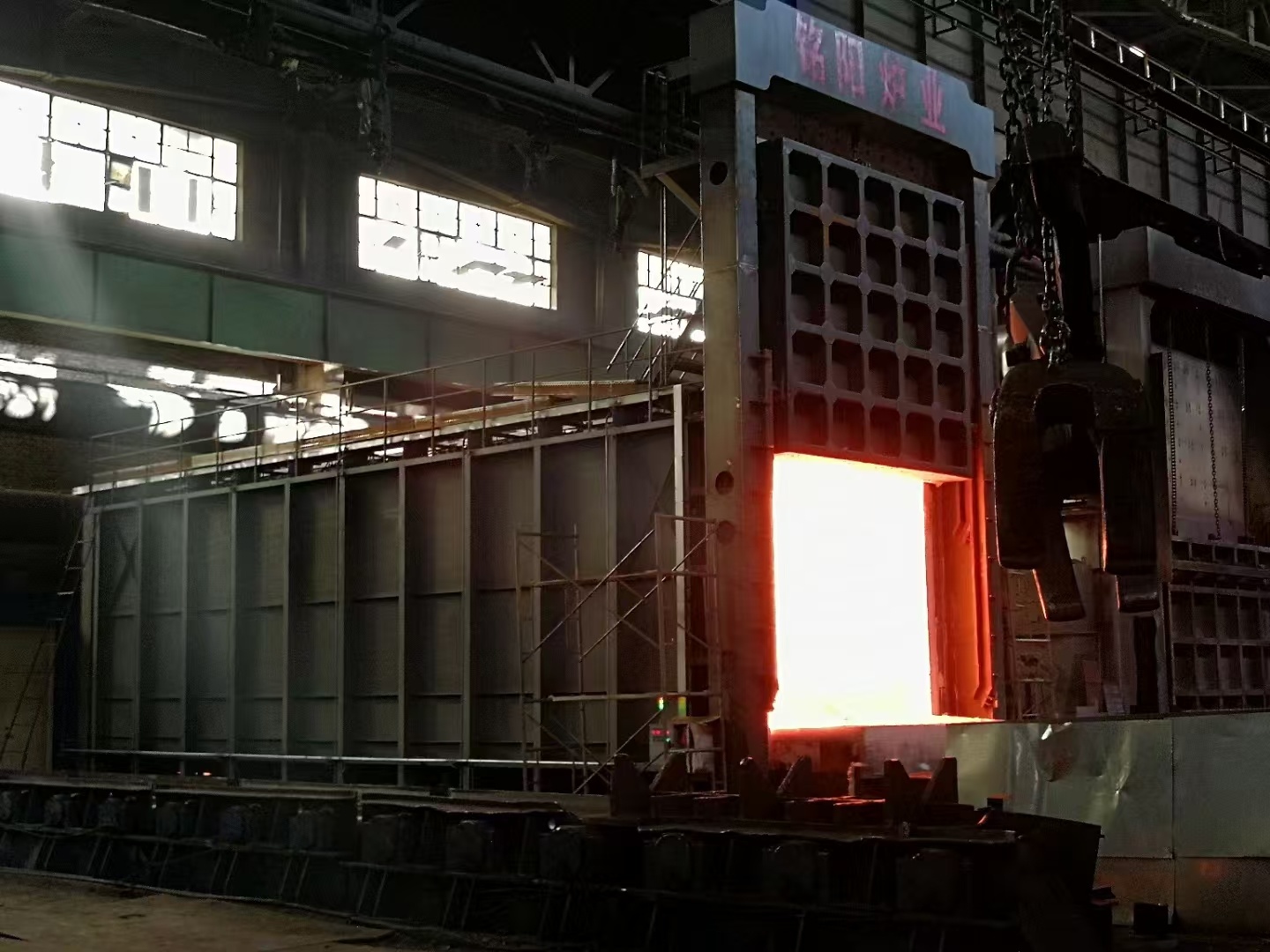
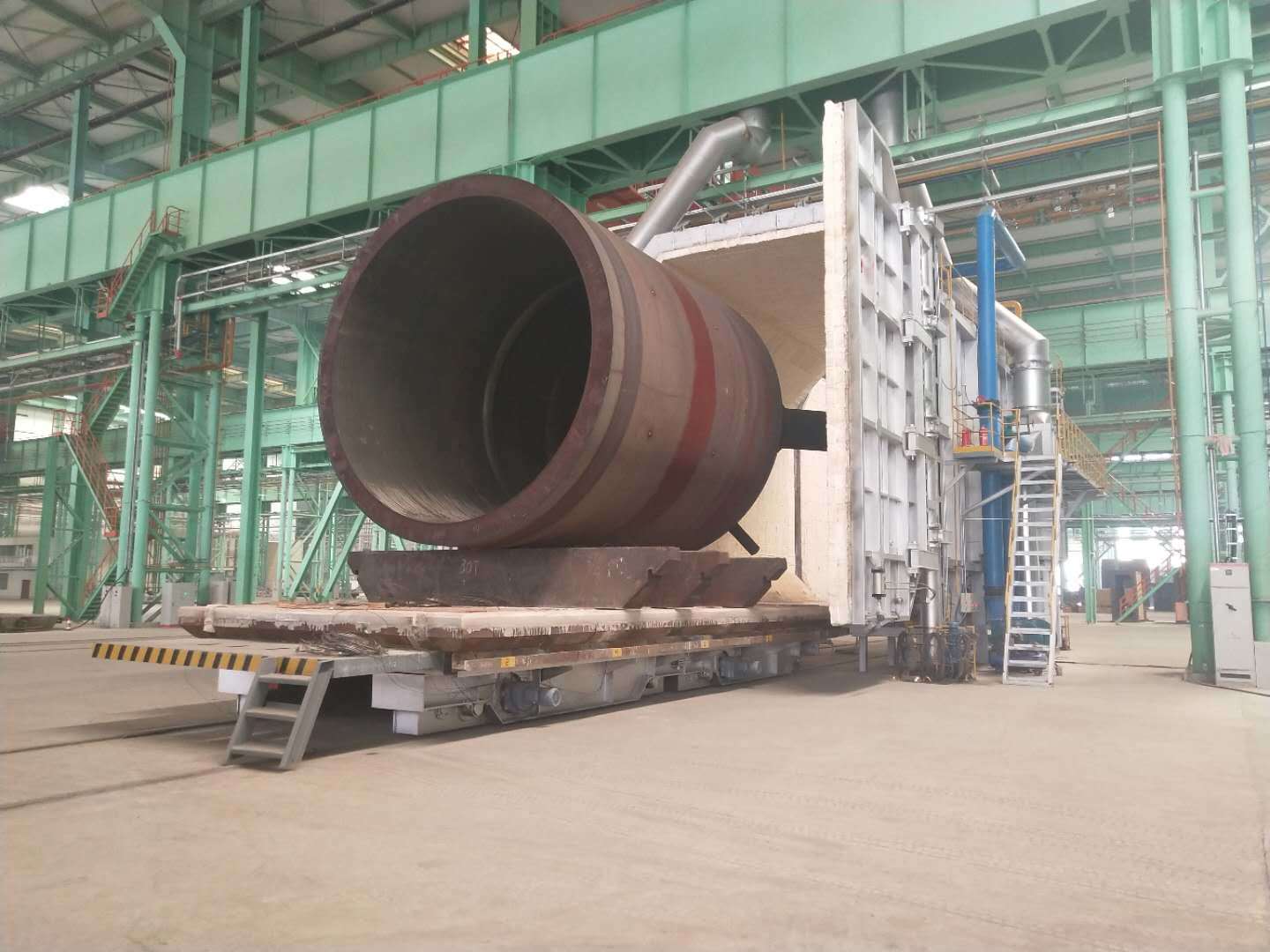
Tempering furnaces play a critical role in the heat treatment process, particularly in metalworking and manufacturing industries. The newest tempering furnaces represent a significant evolution in this essential technology, designed to enhance productivity and improve the quality of treated materials.
At its core, the tempering process involves reheating hardened metals to reduce brittleness while retaining hardness, a delicate balance that is crucial for producing high-performance components. The latest models of tempering furnaces employ advanced technologies such as precision temperature control, efficient heating methods, and sophisticated monitoring systems that work in tandem to ensure consistent results.
One of the standout features of the newest tempering furnaces is their energy efficiency. With the rising costs of energy, these furnaces are designed to minimize consumption without compromising performance. Many utilize modern insulation materials and advanced heating techniques, such as induction heating or high-efficiency burners, which help to reduce heat loss and improve overall energy utilization. This not only lowers operational costs for manufacturers but also aligns with global sustainability goals.
Moreover, the new designs often incorporate automation and digital control systems. These systems enhance the user experience by allowing operators to program specific heat treatment cycles, monitor processes in real-time, and even remotely control the equipment through software interfaces. This level of automation drastically reduces the potential for human error and can lead to more consistent quality in heat-treated products.
In addition to efficiency and automation, the newest tempering furnaces are also equipped with enhanced safety features. Advanced sensors and alarms can detect anomalies in temperature or pressure, providing alerts to prevent accidents and ensuring a safer working environment. Safety is paramount in industrial settings, and these innovations help companies adhere to stringent regulatory standards.
Furthermore, many manufacturers are now focusing on flexibility in their furnace designs. The ability to treat various materials and accommodate different shapes and sizes is increasingly becoming a requirement. The latest tempering furnaces are often customizable, allowing businesses to tailor their equipment to meet specific production needs, whether they are processing small batches or large volumes.
The newest tempering furnaces are at the forefront of industrial technology, offering improved energy efficiency, automation, safety, and flexibility. As manufacturers continue to seek ways to enhance their production processes and reduce costs, investing in advanced tempering furnace technology could be a pivotal decision for long-term success in the competitive industrial landscape. Embracing these innovations not only aids in achieving superior product quality but also positions companies as leaders in sustainable manufacturing practices.

If you are interested in our products, please leave your email and we will contact you as soon as possible.